
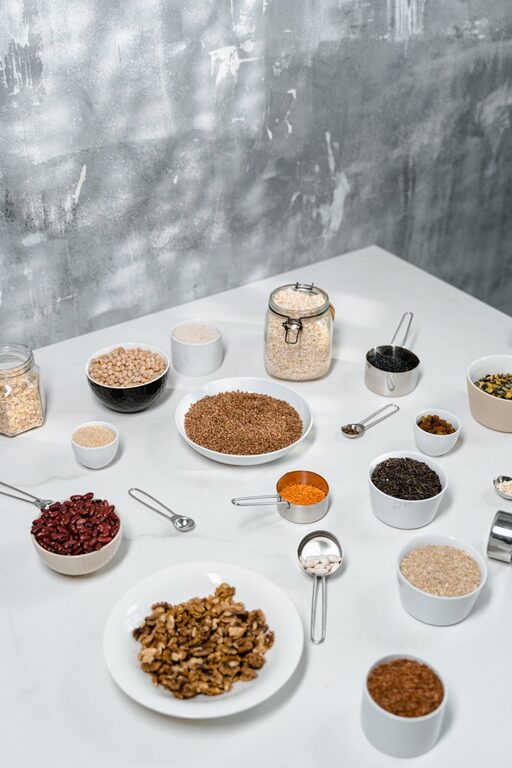
Planning meals from pantry staples is a smart way to simplify cooking, reduce stress, and make the most of what you already have at home. Whether you’re stocking up for busy weekdays, dealing with unexpected pantry raids, or aiming to cut down on grocery trips, using pantry staples creatively can help you whip up tasty meals quickly and confidently.
In this post, we’ll explore practical tips on how to plan meals using common pantry items, how to organize your pantry for easy access, and some recipe ideas to inspire your cooking.
What Are Pantry Staples?
Pantry staples are non-perishable food items that have a long shelf life and can form the foundation of many meals. These include:
– Grains: rice, pasta, quinoa, oats
– Canned goods: beans, tomatoes, tuna, coconut milk
– Dry goods: lentils, flour, sugar, nuts, spices
– Cooking essentials: oil, vinegar, broth cubes or powder, soy sauce
– Baking supplies: baking powder, baking soda, yeast
Having a well-stocked pantry of versatile staples means you can mix and match ingredients to create meals without a last-minute grocery run.
Step 1: Take Inventory and Organize Your Pantry
Before you begin meal planning, take stock of what you already have. This helps reduce waste and ensures you use what’s on hand.
– Check expiration dates: Remove anything that is expired or no longer safe to eat.
– Group similar items: Organize grains, canned goods, and spices together. Clear containers or labels can help you spot what you have quickly.
– Keep a running list: Note items that are running low and plan to replenish them during your next grocery trip.
Step 2: Create a Meal Plan Based on Ingredients
Once your pantry is organized, start thinking about meals that can be made primarily with these items.
– Choose versatile proteins: Canned beans or tuna can be the basis for salads, soups, or pasta dishes.
– Use grains as a base: Rice or pasta can be combined with sauces or canned vegetables.
– Incorporate canned or frozen vegetables: These add nutrition and variety.
– Consider flavor boosters: Keep spices and condiments handy to enhance simple ingredients.
Here’s a simple approach to meal planning from pantry staples:
- List 3-5 staple ingredients you frequently have.
- Brainstorm possible meals using those ingredients.
- Mix in fresh or frozen items when available.
- Plan meals for the week, leaving room for flexibility.
Step 3: Meal Ideas Using Pantry Staples
Here are some easy recipes and meal ideas that make the most of typical pantry staples:
1. One-Pot Pasta
Ingredients: pasta, canned tomatoes, garlic, olive oil, dried herbs, chili flakes
– Sauté garlic in olive oil.
– Add canned tomatoes, herbs, and chili flakes.
– Stir in pasta and enough water or broth to cook.
– Simmer until pasta is tender and sauces thickens.
2. Bean and Rice Bowls
Ingredients: rice, canned beans, canned corn, salsa, spices
– Cook rice.
– Warm canned beans and corn, seasoned with chili powder or cumin.
– Assemble bowls with rice, beans, corn, and salsa.
– Add a squeeze of lime or any fresh herbs if available.
3. Chickpea Curry
Ingredients: canned chickpeas, canned coconut milk, curry powder, canned tomatoes, onion powder
– Combine chickpeas, tomatoes, and coconut milk.
– Add curry powder and onion powder.
– Simmer for 15-20 minutes.
– Serve over rice or with bread.
4. Tuna Salad Wraps
Ingredients: canned tuna, mayo or mustard, canned corn or peas, spices, tortillas
– Mix tuna with mayo or mustard and canned vegetables.
– Season with salt, pepper, and herbs.
– Wrap in tortillas or eat with bread.
Step 4: Tips to Maximize Your Pantry Meals
– Rotate staples regularly: Try to use older items first to prevent waste.
– Batch cook: Prepare large quantities of basic staples like rice or beans to save time.
– Keep a spice rack stocked: Even a few essential spices can transform simple ingredients.
– Use substitutes: Don’t hesitate to swap ingredients based on what you have—experimentation can lead to new favorite dishes.
– Add fresh touches: Keep fresh garlic, onions, lemons, or herbs to brighten meals.
Step 5: Build Your Pantry Over Time
If your pantry is currently sparse, start small. Add items based on the meals you enjoy and ingredients with a long shelf life. Slowly expanding your collection of staples will make meal planning easier in the long run.
Final Thoughts
Planning meals from pantry staples is a powerful way to save money, reduce food waste, and cook with confidence. By organizing your pantry and getting creative with simple ingredients, you can enjoy tasty, wholesome meals any day of the week without stress.
Remember, the key is flexibility and making the most of what you have. Happy cooking!