
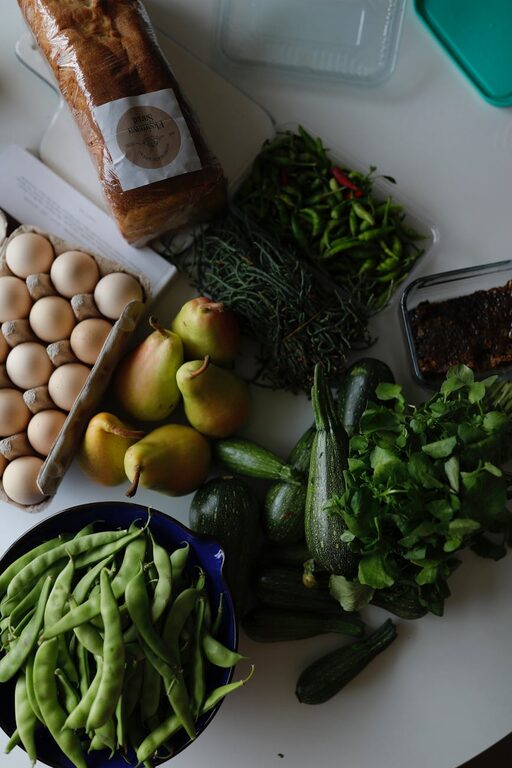
Planning meals from pantry staples is a great way to simplify your cooking routine, reduce food waste, and save money. Whether you’re busy with work, looking to stretch your grocery budget, or just want to avoid last-minute trips to the store, relying on well-stocked pantry ingredients can make meal prep easier and more enjoyable.
In this post, we’ll walk you through how to plan meals using pantry staples, share helpful tips on stocking your pantry, and provide simple meal ideas you can customize to your taste. Let’s get started!
Why Plan Meals from Pantry Staples?
Before diving into how to plan, it’s helpful to know why cooking from pantry staples is such a smart choice:
– Saves Time: Having ingredients ready means less last-minute shopping and more time for cooking.
– Reduces Waste: Using what you already have avoids spoilage of fresh items.
– Saves Money: Buying pantry basics in bulk is usually cheaper, and planning prevents impulse buys.
– Encourages Creativity: Working with staple ingredients can inspire new recipe ideas.
Step 1: Stock Your Pantry with Essentials
To plan meals effectively, start by ensuring your pantry contains versatile staples. Here are some common pantry basics to have on hand:
Grains and Pasta
– Rice (white, brown, or jasmine)
– Quinoa
– Pasta (spaghetti, penne, or fusilli)
– Oats
Canned & Jarred Goods
– Beans (black, chickpeas, kidney, lentils)
– Tomatoes (diced, crushed, or sauce)
– Coconut milk
– Broth or stock (vegetable, chicken, or beef)
Baking & Cooking Basics
– Flour (all-purpose or whole wheat)
– Sugar (white, brown, or honey)
– Baking powder/soda
– Oils (olive oil, vegetable oil)
– Vinegars (balsamic, apple cider)
– Salt and various spices (paprika, cumin, chili powder, oregano, cinnamon, etc.)
Nuts, Seeds, and Snacks
– Peanut butter or other nut butters
– Nuts and seeds (almonds, sunflower seeds)
– Crackers or tortilla chips
Frozen Staples (if accessible)
– Frozen vegetables (peas, corn, spinach)
– Frozen fruits (berries, mango)
Keeping your pantry stocked with these essentials means you’re ready to make a variety of meals without needing fresh ingredients every time.
Step 2: Take Inventory of Your Pantry
Before planning your meals, take a quick inventory of what you already have. Write down:
– Which canned goods and dry grains you have
– Spices and condiments available
– Any frozen staples in your freezer
This helps you avoid buying duplicates and sparks ideas for meals based on what you need to use up first.
Step 3: Choose Your Meal Frameworks
Next, create a list of meal frameworks you enjoy that are easy to customize with pantry staples. Here are some versatile templates:
– Pasta with Sauce and Veggies: Combine pasta with canned tomatoes, garlic, olive oil, and frozen or fresh vegetables.
– Rice Bowls: Use rice as a base, topped with beans, sautéed veggies, and a simple dressing or sauce.
– Soups and Stews: Use broth, canned beans, tomatoes, and spices to make comforting soups.
– Stir-Fries: Toss frozen veggies with rice or noodles and a sauce made from pantry ingredients.
– Wraps or Tacos: Use canned beans or lentils, canned corn, salsa, and wraps or tortillas.
Step 4: Plan Your Meals for the Week
Using your inventory and meal frameworks, plan each meal with what’s on hand. Here’s an example weekly plan:
– Monday: Spaghetti with tomato-basil sauce and sauteed frozen spinach
– Tuesday: Chickpea and vegetable rice bowl with a lemon vinaigrette
– Wednesday: Lentil soup with canned tomatoes and spices, served with bread
– Thursday: Stir-fried noodles with frozen mixed vegetables and peanut sauce
– Friday: Black bean tacos with canned corn, salsa, and avocado (if fresh available)
– Saturday: Homemade pancakes or flatbreads using pantry flour, served with honey or nut butter
– Sunday: Quinoa salad with canned beans, olives, and a simple vinaigrette
Step 5: Create a Shopping List
Once your meals are planned, check if there are any pantry essentials you need to restock or any fresh ingredients you want to add. Keep your list focused on versatile items to ensure future flexibility.
Tips to Make Pantry Meal Planning Easier
– Rotate Your Pantry Staples: Use older ingredients first and replenish new items regularly.
– Keep a “Go-To” Recipe List: Note down your favorite simple recipes using pantry staples.
– Use Spices to Vary Flavors: Changing spices can make similar ingredients taste very different.
– Batch Cook and Freeze: Prepare larger portions of soups or stews and freeze for quick future meals.
– Mix and Match: Don’t be afraid to combine ingredients in new ways—pantry staples are often extremely forgiving!
Simple Recipe Ideas Using Pantry Staples
Tomato and Chickpea Stew
Ingredients:
– 1 can diced tomatoes
– 1 can chickpeas, drained and rinsed
– 1 onion (or dried onion flakes)
– 2 cloves garlic (or garlic powder)
– 1 tsp cumin
– Olive oil
– Salt and pepper
Instructions:
- Heat olive oil in a pot and sauté onion and garlic until fragrant.
- Add cumin and stir for 30 seconds.
- Add canned tomatoes and chickpeas.
- Simmer for 15–20 minutes.
- Season with salt and pepper to taste.
- Serve with rice or bread.
Easy Peanut Noodles
Ingredients:
– Pasta or noodles
– 2 tbsp peanut butter
– 1 tbsp soy sauce
– 1 tsp honey or sugar
– 1 clove garlic, minced (or garlic powder)
– Water or broth to thin sauce
– Frozen vegetables (optional)
Instructions:
- Cook pasta according to package instructions.
- In a bowl, mix peanut butter, soy sauce, honey, and garlic. Add water or broth to reach desired sauce consistency.
- Toss cooked pasta with sauce and steamed frozen vegetables.
- Serve hot or cold.
Final Thoughts
Planning meals using pantry staples is not only practical but also encourages creativity and mindfulness in the kitchen. By keeping your pantry stocked with versatile ingredients, taking inventory regularly, and organizing your meals around what you have, you can enjoy delicious, stress-free cooking any day of the week.
Give these tips a try, and you might find that pantry meal planning becomes your new favorite way to cook!