
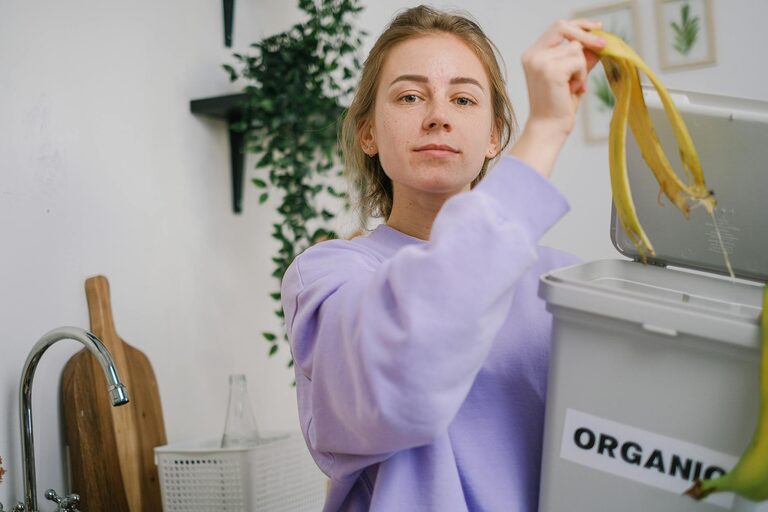
Composting at home is a fantastic way to reduce waste and create nutrient-rich soil for your garden. Whether you have a large backyard or just a small balcony, anyone can start composting with a little guidance. This beginner-friendly guide will walk you through the basics of composting and provide practical tips to help you get started on your eco-friendly journey.
What Is Composting?
Composting is the natural process of breaking down organic materials, such as food scraps and yard waste, into a nutrient-rich soil amendment called humus. This process supports healthy plant growth, reduces landfill waste, and helps decrease greenhouse gases.
Why Compost at Home?
– Reduces waste: Composting diverts food scraps and yard waste from landfills.
– Improves soil: Adds valuable nutrients and improves soil structure.
– Saves money: Reduces the need to buy commercial fertilizers.
– Supports sustainability: Lowers your ecological footprint by recycling organic matter.
Getting Started: Basic Supplies
Starting composting doesn’t require fancy equipment. Here are the essentials:
– Compost bin or pile: You can buy a compost bin or make one yourself using wood pallets or wire mesh.
– Kitchen scrap container: A small container with a lid to collect food scraps.
– Garden tools: A pitchfork or shovel helps turn the compost.
– Watering can or hose: To keep the pile moist.
Choosing a Compost Bin
If you’re short on space, consider these options:
– Tumbler bin: Easy to turn, often sealed to reduce odors.
– Stationary bin: Simple bin that stays in one spot.
– Compost pile: No bin needed; ideal for larger yards.
Ensure the bin has good airflow and is placed on soil to allow beneficial organisms in and drainage out.
What Can You Compost?
Keep in mind the balance of green and brown materials to create the perfect compost mix.
Green Materials (Nitrogen-rich)
– Fruit and vegetable scraps
– Coffee grounds and filters
– Fresh grass clippings
– Tea bags (without synthetic parts)
Brown Materials (Carbon-rich)
– Dry leaves
– Shredded newspaper or cardboard
– Straw or hay
– Wood chips or sawdust (untreated)
Avoid Composting
– Meat, fish, and dairy products (attract pests)
– Oily foods and greasy leftovers
– Pet waste
– Diseased plants or invasive weeds
How to Build Your Compost Pile
Step 1: Layer materials
Start with a layer of coarse brown materials like small branches or straw to aid airflow at the bottom. Alternate between green and brown layers. Aim for about two parts brown to one part green for good balance.
Step 2: Size matters
Keep your pile about 3 feet wide by 3 feet tall for ideal heat retention and decomposition, but smaller or larger piles can work too.
Step 3: Maintain moisture
The pile should be as damp as a wrung-out sponge. If too dry, add water. If too wet, add more dry brown materials.
Step 4: Turn the pile regularly
Turning or mixing the compost every 1-2 weeks improves airflow and speeds up decomposition. Use a garden fork or shovel to mix the materials.
How to Know When Compost Is Ready
Finished compost looks dark, crumbly, and earthy. It should no longer smell like food, and most original materials will be unrecognizable. This typically takes 2-6 months, depending on conditions.
Tips for Successful Composting
– Chop scraps: Smaller pieces decompose faster.
– Avoid overloading: Add scraps gradually to maintain balance.
– Use a compost thermometer: To monitor pile temperature, aiming for 135-160°F (57-71°C) to kill pathogens.
– Keep pests away: Cover food scraps with brown materials to discourage animals.
Using Your Compost
Use finished compost to:
– Enrich garden beds
– Improve potted plants’ soil
– Top-dress lawns
– Mulch around trees and shrubs
Troubleshooting Common Problems
| Problem | Cause | Solution |
|——————-|—————————–|———————————–|
| Bad odor | Too much green/wet material | Add brown materials and turn pile |
| Pests attracted | Food scraps uncovered | Cover scraps with browns |
| Slow decomposition| Dry pile or poor airflow | Water and turn more often |
| Compost is too wet| Excess water or poor drainage| Add dry materials and turn |
Final Thoughts
Starting to compost at home is easier than it seems and brings many benefits. By recycling your organic waste, you help reduce landfill impact while nourishing your garden naturally. With a little patience and care, you can turn scraps into black gold!
Try these beginner tips and soon you’ll enjoy the satisfaction of growing healthier plants with your own homemade compost. Happy composting!